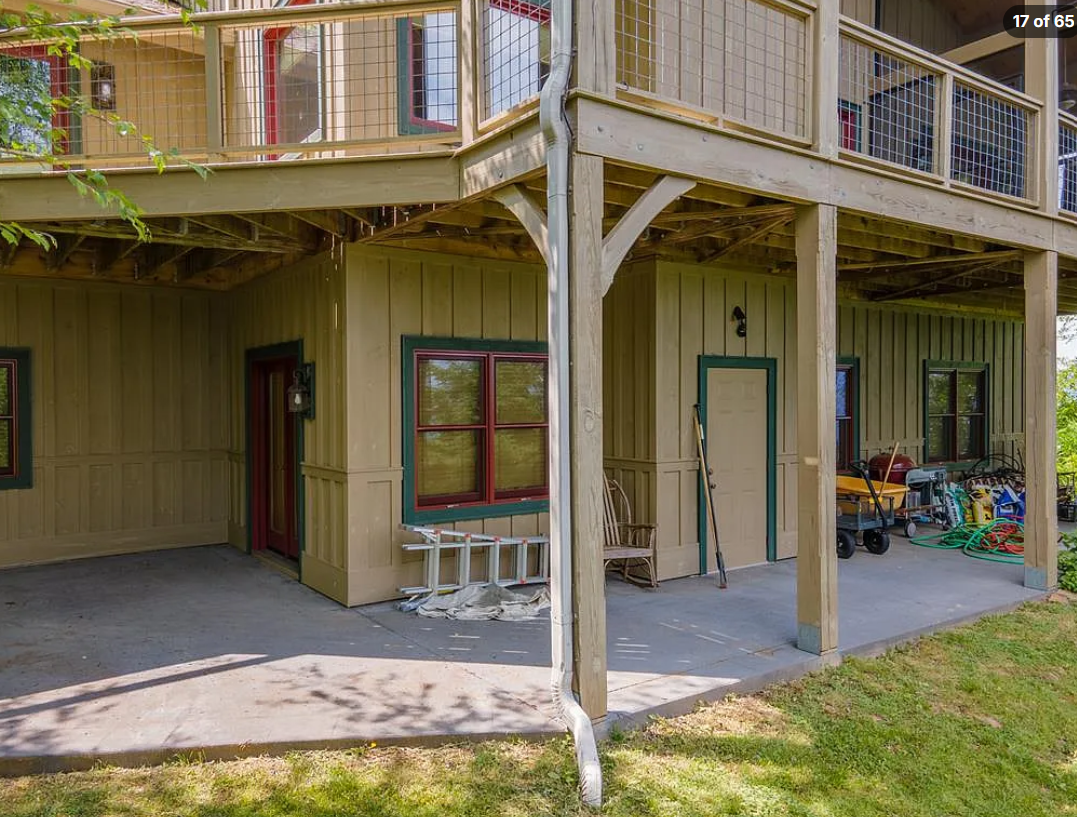
Decks naturally show signs of aging. Faded boards, surface cracks, peeling finishes, and minor cosmetic deterioration may simply be normal deck wear and tear. However, some warning signs can indicate serious structural problems that affect the safety and stability of the deck.
Knowing the difference between cosmetic deck damage and structural damage can help homeowners determine when maintenance is enough—and when a professional deck inspection or structural engineering evaluation may be necessary.
What Is Normal Deck Wear and Tear?
Not every defect means your deck is unsafe. Common cosmetic or relatively minor signs of aging can include:
- Faded or weathered decking
- Peeling paint or stain
- Minor surface cracks
- Small scratches or dents
- Slight discoloration
- Surface mildew
- Minor deterioration of nonstructural components
These conditions may require cleaning, staining, sealing, or replacement of individual boards rather than major structural repairs.
However, even seemingly minor deterioration should be monitored because water exposure and aging can eventually affect structural components.
8 Signs Your Deck May Have Structural Damage
1. Deck Boards Feel Soft or Spongy
Soft wood can be a sign of significant moisture damage or rot. If the deterioration extends into joists or other structural members, the deck's load-carrying capacity may be reduced.
2. Joists or Beams Are Cracked or Deteriorated
Large cracks, splitting, severe rot, or substantial wood deterioration in joists and beams should not be treated as cosmetic issues.
These members carry the deck's loads and may require repair, reinforcement, or replacement.
3. Posts Are Leaning or Damaged
Deck posts transfer loads from beams to the foundation. A leaning, cracked, badly deteriorated, or improperly supported post can indicate a structural problem.
4. The Deck Is Sagging
A deck that noticeably slopes, dips, or sags may have problems involving joists, beams, posts, footings, or connections.
A structural engineer can determine whether the observed deflection is within acceptable limits or indicates inadequate structural capacity.
5. The Deck Moves Excessively
Some movement may occur when people walk on a deck, but excessive bouncing, shaking, or side-to-side movement can indicate inadequate framing, bracing, connections, or foundation support.
6. The Ledger Is Pulling Away From the House
For an attached deck, the ledger connection is particularly important. A visible gap between the ledger and house, loose fasteners, deteriorated wood, or separation can represent a serious structural concern.
7. Footings Have Settled
Uneven or settling footings can cause posts and beams to move, resulting in a sloping or unstable deck.
Foundation problems may require additional investigation to determine the cause and appropriate repair.
8. Connections Are Loose or Corroded
Bolts, screws, brackets, joist hangers, post connections, and other structural connectors help transfer loads through the deck.
Missing, loose, severely corroded, or improperly installed connections can compromise the structural load path.
Cosmetic Damage vs. Structural Damage
A useful way to think about deck problems is to ask whether the damaged component carries structural loads.
|
Condition |
More Likely Cosmetic |
Potential Structural Concern |
|
Faded decking |
✓ |
|
|
Peeling stain |
✓ |
|
|
Minor surface cracks |
✓ |
|
|
Soft or rotten joists |
✓ |
|
|
Sagging beams |
✓ |
|
|
Leaning posts |
✓ |
|
|
Settled footings |
✓ |
|
|
Ledger separation |
✓ |
|
|
Loose structural connections |
✓ |
|
|
Excessive deck movement |
✓ |
This table is only a general guide. The actual severity of a problem depends on its location, extent, construction, and effect on the overall structural system.
When Should You Stop Using a Deck?
If you observe significant structural deterioration, major movement, substantial sagging, a separating ledger, severely damaged posts or beams, or other signs of possible instability, consider restricting access until the deck can be properly evaluated.
Do not add heavy loads such as a hot tub, large outdoor kitchen, masonry feature, or enclosed structure until the deck's structural capacity has been verified.
Should You Hire a Structural Engineer?
A deck structural engineer can evaluate whether observed damage affects the structural integrity of the deck.
An engineering evaluation may examine:
- Joists
- Beams
- Posts
- Footings
- Ledger connections
- Structural fasteners
- Bracing
- Stairs
- Guard and railing support
- Overall load path
- Existing damage and deterioration
- Proposed repairs or modifications
Depending on the project, the engineer may provide structural calculations, repair recommendations, engineered drawings, or PE-stamped documents where required.
Can an Old Deck Still Be Safe?
Yes. Age alone does not mean a deck is unsafe.
A properly designed and maintained deck can remain serviceable for many years. However, older decks may have outdated construction methods, deteriorated materials, inadequate connections, or modifications that were not included in the original design.
A professional evaluation can help determine the actual condition rather than relying solely on the deck's age.
Final Takeaway
Not every crack, stain, or faded board means your deck is unsafe. Cosmetic wear and tear can often be addressed through routine maintenance, while damage to joists, beams, posts, footings, ledgers, or structural connections may require professional evaluation and repair.
If you're unsure whether a problem is cosmetic or structural, a qualified deck structural engineer can help determine the condition of the deck and identify appropriate repair or reinforcement options.
Need a Deck Structural Engineering Evaluation?
DeckStructuralEngineer.com provides professional deck structural engineering services, including deck inspections, structural evaluations, load analysis, repair and reinforcement designs, structural calculations, and Engineer-stamped engineering documents.
Don't guess about your deck's structural safety. Have significant damage or movement evaluated before it becomes a more expensive problem.